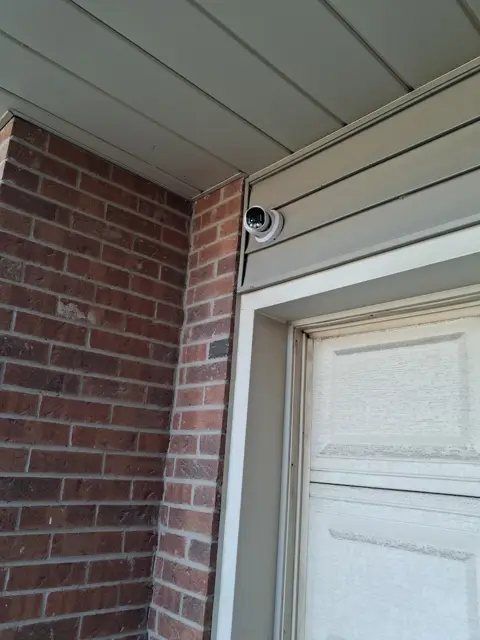
Yes. In Toronto and across Ontario, it is legal to install security cameras outside your own house to protect your property. You don’t need a permit or anyone’s permission to record your own driveway, doors and yard.
What matters is where your cameras point and what they record. Here is what Toronto homeowners should know before installing.
Point your cameras at your own property
Aim your cameras at your doors, driveway, garage, yard and the edges of your lot. Catching part of the sidewalk or street in the background is normal and hard to avoid.
What causes trouble is a camera aimed into a neighbour’s property: their windows, their backyard or their pool. Ontario courts recognize a privacy claim called "intrusion upon seclusion," and a neighbour who feels watched can also complain to the city or the police. A good installer angles each camera to cover your property and leave theirs out.
Never record where people expect privacy
Under the Criminal Code, it is a crime to secretly watch or record someone in a place where they would expect privacy, such as through a bedroom or bathroom window. Security cameras should only ever cover entrances, driveways and yards.
Be careful with audio
Many of today’s cameras have built-in microphones and two-way talk. That’s useful for speaking to a courier at the door. But recording private conversations you are not part of, such as neighbours talking on their own property, can break Canada’s laws on intercepting private communications. If a camera faces a shared area, we can turn its audio recording off.
Planning cameras for your property? We’ll walk it with you and recommend the right setup, free and with no obligation.
Does PIPEDA apply to my home cameras?
No. PIPEDA is the federal privacy law for businesses. It does not cover a homeowner recording their own property for personal security.
It does apply if you run a business, such as a store, office or restaurant. In that case:
- Post signs telling people that cameras are in use.
- Record only what you need for security, never washrooms or change rooms.
- Keep footage only as long as you need it, and protect who can see it.
The Office of the Privacy Commissioner of Canada has guidance for businesses using video surveillance.
Condo and townhouse owners: check your rules first
If you live in a condo or a townhouse with a condo corporation, the outside walls are usually common elements. That means you need the board’s approval before mounting cameras outside. Ask your property manager first. It saves taking cameras down later.
Do I need a sign at home?
Homeowners aren’t required to post a sign. Many still do, because a visible sign and visible cameras make a thief think twice before coming onto your property.
Can I share my footage with the police?
Yes. If your cameras capture a break-in, a package theft or a hit-and-run, you can give the footage to Toronto Police or York Regional Police. Clear, well-placed cameras make that footage far more useful.
How long should I keep recordings?
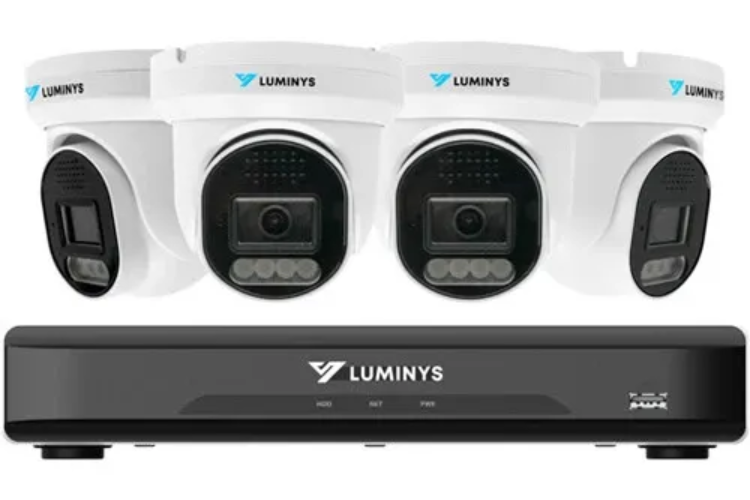
There is no rule for homeowners. Most home systems record over the oldest footage automatically. Our 4-camera system keeps about 10 days on its 2TB drive, which is enough time to notice and save anything important.
Get it set up right
Most legal problems with home cameras come from bad placement. When we install, we plan every camera angle with you so it covers your property, not your neighbour’s, and we set up audio the way you want it.
This article is general information, not legal advice. For your specific situation, speak to a lawyer.
Get it done right, the first time
Blaze Alarms has installed security cameras across Toronto and the GTA since 1990. Free on-site assessment, clear written quote, no monthly fees.